
The Khattaks
History of the Khattak Tribe
The Khattak tribe, a prominent Pashtun lineage, holds a rich history deeply rooted in the cultural and historical fabric of the Pashtun people. Known for their resilience, intellect, and valor, the Khattaks have played a pivotal role in shaping the political, cultural, and social landscapes of the regions they inhabit.
Origins and Lineage
The Khattak tribe traces its origins to the broader Pashtun tribal confederacy, believed to descend from Qais Abdur Rashid, the legendary forefather of all Pashtuns. Historically, the Khattaks have primarily inhabited the areas of Karak, Kohat, Nowshera, and parts of Attock and Mianwali in present-day Pakistan.
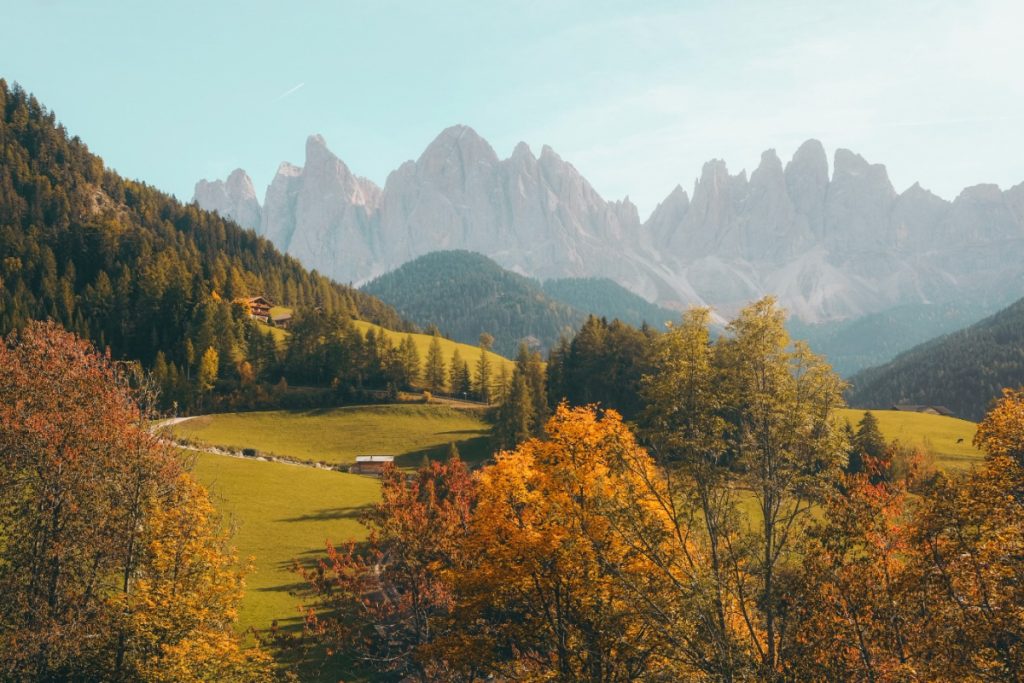
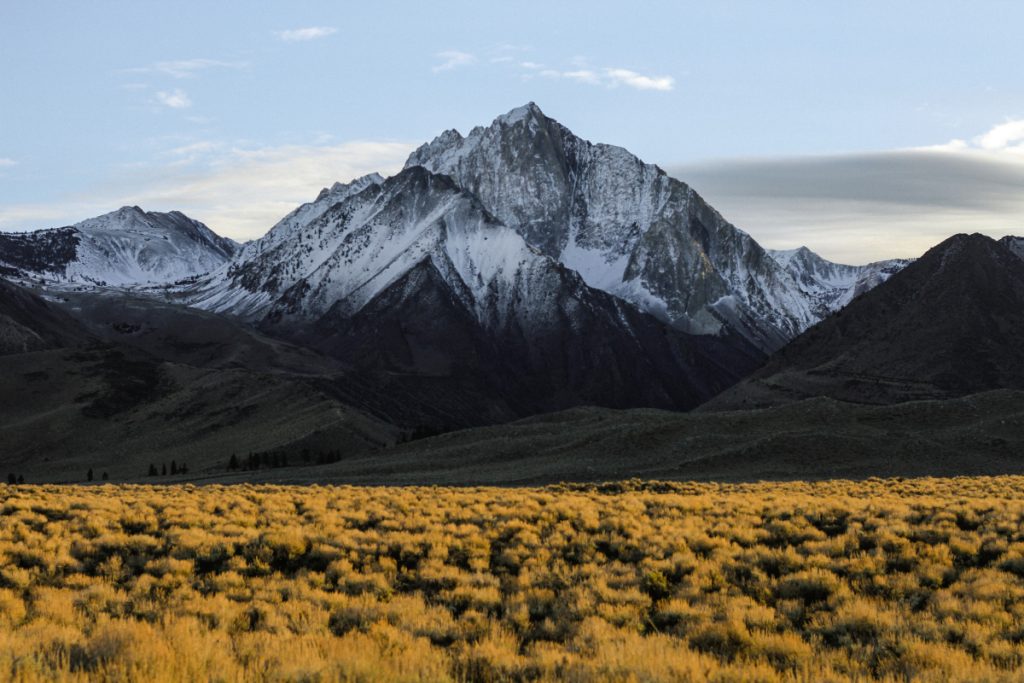
The tribe’s name is often associated with the Khattak mountain range, which symbolizes their strong connection to the rugged terrains of their homeland. Their strategic location along the trade and migration routes of the Indian subcontinent has contributed to their historical significance.
د خوشحال سلام په هغه شا زلمو دے
کمندونه چې د ستورو په اسمان ږدي

خوشحال خان خٹک ۔ 1613 – 1689
Role in Pashtun History
The Khattaks are renowned for their contributions to Pashtun history, particularly during the Mughal era. Khushal Khan Khattak, the most celebrated figure of the tribe, is revered as a warrior-poet, philosopher, and statesman. His literary works, written in Pashto, emphasize themes of justice, unity, and resistance against oppression, inspiring generations of Pashtuns to uphold their cultural values and fight for their rights.
Khushal Khan’s leadership not only united the Khattak tribe but also strengthened the broader Pashtun community. His efforts to resist Mughal dominance made him a symbol of Pashtun independence and pride.

Cultural Heritage
The Khattaks have preserved their rich cultural traditions, which reflect the values of Pashtunwali, the unwritten code of conduct for Pashtuns. Hospitality, bravery, and a sense of justice are deeply ingrained in the tribal ethos.
Traditional Khattak dances, particularly the Khattak sword dance, showcase the tribe’s martial heritage and artistic expression. This vibrant performance, involving swift movements and the use of swords, is a hallmark of Khattak cultural celebrations.
د خوشحال سلام په هغه شا زلمو دے
کمندونه چې د ستورو په اسمان ږدي
خوشحال خان خٹک ۔ 1613 – 1689
Contributions to Modern Society
In the modern era, the Khattak tribe continues to contribute to various fields, including education, politics, and social welfare. Members of the tribe have played significant roles in Pakistan’s development, upholding the values of unity and progress envisioned by their ancestors.
The Khattak Welfare Organization is proud to carry forward this legacy, fostering community development, preserving cultural heritage, and empowering the younger generation to create a brighter future.
Our Commitment
As part of our mission, the Khattak Welfare Organization aims to celebrate and promote the history and culture of the Khattak tribe. By understanding our past, we seek to inspire a sense of pride and unity among our community members, ensuring that the Khattak legacy continues to thrive for generations to come.
Stay Connected with Us